Winterizing water storage

KerlerKlan17

Rank IV
Investor

Advocate III

911
Wind Gap, Northampton County, Pennsylvania, United States
First Name
Jon
Last Name
Kerler
Member #

40547

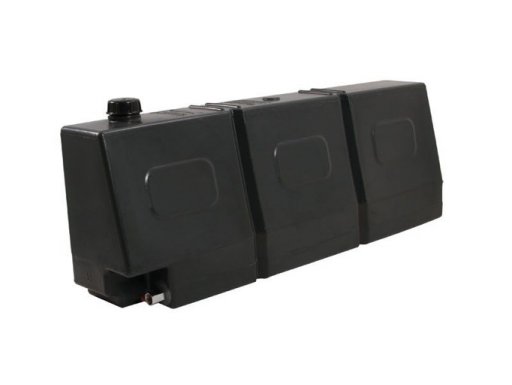
So I have decided to put a water tank in the bed of my pickup so I have plenty of water for drinking, showering, dishes, etc. Living in the North East my biggest concern would be if the water in the tank were to freeze and possibly crack the tank and/or hoses. Any tips or ideas on what I can do to keep the water from turning to ice would be more than appreciated!
 

Attachments

  • media.jpg
    media.jpg
    24.1 KB · Views: 37
On our next trip we’ll be using a 110 qt cooler for general purpose water. And we usually use a 10 gallon igloo for drinking water. If it’ll keep the water cool in southern US heat it should keep it from freezing up there. Drain pipes when you can and foam insulation where you can’t.
 
Just winterize it like a RV water system, get as much water out as possible and then put RV Antifreeze in it. Of course you will need to flush it good in the spring. Just DO NOT put cooling ( engine ) antifreeze in it. Can usally get it at Lowes, Farm Supply places or if all else fails RV dealer.
 
.
Drain it.

Whether I'm in Maine or anywhere else, I usually leave water in mine 'til I know overnight temps may get down to 29-30ºF, then park however I need to drain as much as possible. Had to drain it in TX one cold night just to be safe, and always drain it for the winter when in Maine.

I then pull pink RV anti-freeze (safe for drinking water systems) through the system by putting a hose down into a gallon of it and opening each outlet one by (I have a hot & cold at my outdoor sink and a mixed outlet at my outdoor shower), which automatically turns on my pump and pulls it through all the lines. I run each line until I see pink coming out.

In my experience, if you have a pump connected and water lines from the tank, they will freeze and create problems before the tank will. No need to fill or leave a quantity of antifreeze in the tank itself, in my experience.

Then come warmer weather, I flush the whole system in the same way; pull clean water through everything by opening each outlet and letting the pump pull it through 'til it runs clear.

Then I thoroughly disinfect the entire system with a bleach solution, filling the whole tank and driving it around a bit so it sloshes everywhere. I let that sit overnight, then flush with fresh. Sometimes I'll disinfect it mid-summer too, especially if it's been sitting a bit.

Been doing it like this for years with no problems from freezing.

Hope that helps.
.
 
  • Like
Reactions: velo47
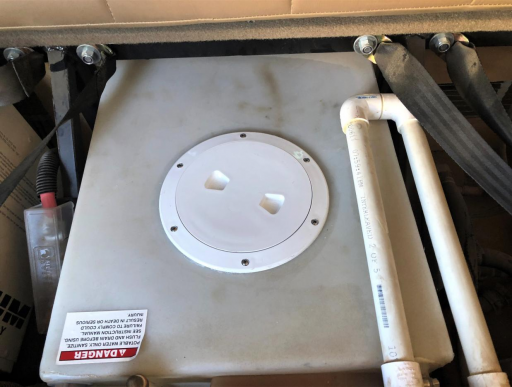
I like Road's procedure. One thing I did was install a marine deck plate on top of the tank so I can reach in and get the rest of the water out (which I agree is probably not necessary). It also allows me to clean out the bottom of the tank, something that was impossible before.
1633401249260.png
 
  • Like
Reactions: KonzaLander
I like Road's procedure. One thing I did was install a marine deck plate on top of the tank so I can reach in and get the rest of the water out (which I agree is probably not necessary). It also allows me to clean out the bottom of the tank, something that was impossible before.
View attachment 211630
Have you found the marine hatch to do a good job of keeping dust out of the water and keeping the water in the tank? I'd like the ability to gain access to the inside of the tank and this looks like a genius solution!
 
The deck plate also makes it much easier to fill the tank from a 5 gallon water jug. Previously, I had to use a funnel to pour the water into a small spigot type opening. Now I can just pour it into the hatch.
 
ditto on @Road response. Drain the tank. Run RV potable antifreeze through the pump and lines (if there are any) Rinse it the next spring and run a bleach solution through the lines. Done it this way for the summer cabin and my wife's Tab camper up here in Maine. No issues.
 
  • Like
Reactions: Road