
What is the best source of electricity for an overlansing vehicle. Like if I had a pickup truck with a bed cap and I had electric appliances in it, what is the best way to power them, as the truck’s battery can not power it all. Is a generator good? Solar panels? What is a good source? Thanks
What Is The Best Source Of Electricity?
- Thread starter Dane_Bowers
- Start date
You are using an out of date browser. It may not display this or other websites correctly.
You should upgrade or use an alternative browser.
You should upgrade or use an alternative browser.


Member III
- 2,771
- First Name
- Rolando
- Last Name
- Nispiros
- Member #
17011
- Ham/GMRS Callsign
- KN6JJS
I would say a combination of your main battery charging a second battery in you truck camper with a solar panel and inverter combo. I have the latter. I also have a portable battery generator that can be charged by solar or home electricity.
So the battery I have in the camper shell is independent of the starter battery and charged by solar only for now.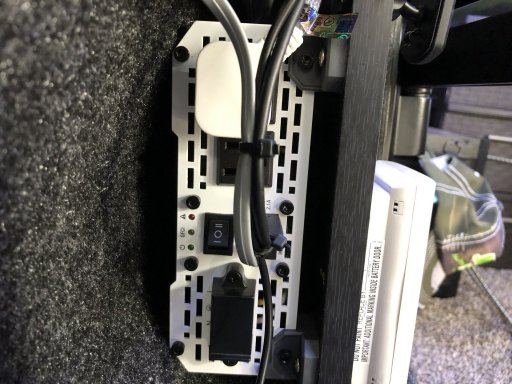
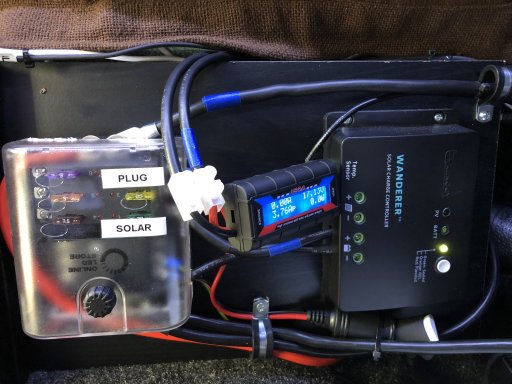
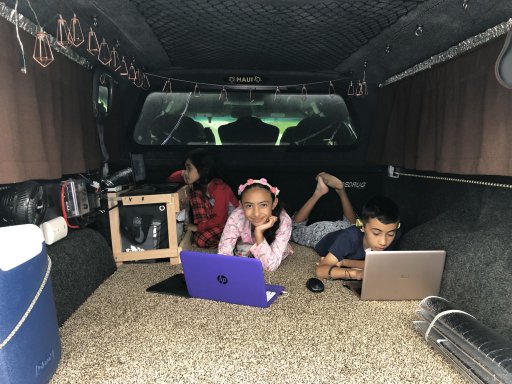
So the battery I have in the camper shell is independent of the starter battery and charged by solar only for now.



If you have a lightning collector you might get lucky.
However., it only last like a split second.
You'll need a backup.
However., it only last like a split second.
You'll need a backup.

I went with solar and more 12vdc appliances rather than using an inverter all that much. You can use portable panels or if you have room, you should be able to get two 200w panels on your cap top and charge up a 200ah battery and should be plenty good for a 12v fridge, lighting, 12v fans, charging phones and laptops...anything more than that and you might as well get an RV and hookup at a campground. I have a teardrop type camper with 200w solar and it works great off grid and if it is really hot and I need the a/c...I hit a campground with elec. hookup.
I did install a 2000w inverter just in case I need 110vac for something. In bright sun, I hooked up a 24" shop fan and ran it and the 200w solar panels ran it with only a slight draw on the battery, If I went with 200w panels instead of 100w, the 400w would be plenty to run the shop fan and prob have a little left to charge the battery as well.
I did install a 2000w inverter just in case I need 110vac for something. In bright sun, I hooked up a 24" shop fan and ran it and the 200w solar panels ran it with only a slight draw on the battery, If I went with 200w panels instead of 100w, the 400w would be plenty to run the shop fan and prob have a little left to charge the battery as well.
Last edited:

You are going to first need to figure out what sort of draw your appliances have, and then you can determine what source best matches the need.
If your appliances include a stove and an oven I don't think you will be able to pull this off with solar. That would take a pretty big array and a nice battery bank.
Make a list of your appliances and add up how many amps they all draw. Then we can intelligently discuss sources that match the draw.
If your appliances include a stove and an oven I don't think you will be able to pull this off with solar. That would take a pretty big array and a nice battery bank.
Make a list of your appliances and add up how many amps they all draw. Then we can intelligently discuss sources that match the draw.


Rack of batteries and solar. Plenty of isolators or relays you can use to charge them as the truck travels.
Generators are for AC, for boondocking. I don't recommend making that much noise too often. Firing up a gen, when it's 71 measly degrees outside, on a calm night, is more than ''fighting words'' in many of my favorite spots.
Some of my favorite state parks do set aside a ''noisy camper'' area. Group camping, parties, generators, jetskiers, etc.etc.
Generators are for AC, for boondocking. I don't recommend making that much noise too often. Firing up a gen, when it's 71 measly degrees outside, on a calm night, is more than ''fighting words'' in many of my favorite spots.
Some of my favorite state parks do set aside a ''noisy camper'' area. Group camping, parties, generators, jetskiers, etc.etc.
G
thank youI would say a combination of your main battery charging a second battery in you truck camper with a solar panel and inverter combo. I have the latter. I also have a portable battery generator that can be charged by solar or home electricity.
So the battery I have in the camper shell is independent of the starter battery and charged by solar only for now. View attachment 104577View attachment 104578View attachment 104579
ThxI went with solar and more 12vdc appliances rather than using an inverter all that much. You can use portable panels or if you have room, you should be able to get two 200w panels on your cap top and charge up a 200ah battery and should be plenty good for a 12v fridge, lighting, 12v fans, charging phones and laptops...anything more than that and you might as well get an RV and hookup at a campground. I have a teardrop type camper with 200w solar and it works great off grid and if it is really hot and I need the a/c...I hit a campground with elec. hookup.
I did install a 2000w inverter just in case I need 110vac for something. In bright sun, I hooked up a 24" shop fan and ran it and the 200w solar panels ran it with only a slight draw on the battery, If I went with 200w panels instead of 100w, the 400w would be plenty to run the shop fan and prob have a little left to charge the battery as well.
Thanks
ThanksRack of batteries and solar. Plenty of isolators or relays you can use to charge them as the truck travels.
Generators are for AC, for boondocking. I don't recommend making that much noise too often. Firing up a gen, when it's 71 measly degrees outside, on a calm night, is more than ''fighting words'' in many of my favorite spots.
Some of my favorite state parks do set aside a ''noisy camper'' area. Group camping, parties, generators, jetskiers, etc.etc.
Thank uRack of batteries and solar. Plenty of isolators or relays you can use to charge them as the truck travels.
Generators are for AC, for boondocking. I don't recommend making that much noise too often. Firing up a gen, when it's 71 measly degrees outside, on a calm night, is more than ''fighting words'' in many of my favorite spots.
Some of my favorite state parks do set aside a ''noisy camper'' area. Group camping, parties, generators, jetskiers, etc.etc.
thank uRack of batteries and solar. Plenty of isolators or relays you can use to charge them as the truck travels.
Generators are for AC, for boondocking. I don't recommend making that much noise too often. Firing up a gen, when it's 71 measly degrees outside, on a calm night, is more than ''fighting words'' in many of my favorite spots.
Some of my favorite state parks do set aside a ''noisy camper'' area. Group camping, parties, generators, jetskiers, etc.etc.
Thx
Thx
You are going to first need to figure out what sort of draw your appliances have, and then you can determine what source best matches the need.
If your appliances include a stove and an oven I don't think you will be able to pull this off with solar. That would take a pretty big array and a nice battery bank.
Make a list of your appliances and add up how many amps they all draw. Then we can intelligently discuss sources that match the draw.
Thx
Thz
thxIf you have a lightning collector you might get lucky.
However., it only last like a split second.
You'll need a backup.
thxIf you have a lightning collector you might get lucky.
However., it only last like a split second.
You'll need a backup.

Member III
Great answers so far. What I have found living off-grid for 6 years may help you with some ideas. Stay with 12DC to use as a power source. Using inverters only when you have too. Don’t go from 12VDC to an inverter, unless you have no other choice for power. You lose a lot of energy in the conversion from 12DC to 110 AC. With my iPhone, iPads, and any other accessories onboard, most have the option to use both, but I get better working time staying with the 12VDC, over using an inverter and then using 110 AC. So far, there is more solar charging equipment, and is a little cheaper and easier to replace when you have a problem. Vance.
True. And there are a lot of 12vdc appliances, mainly used by truck drivers, such as coffee makers, slow cookers, etc. I stay pretty much 12vdc when camping offgrid and only use the inverter for charging laptops. Heres a link to a site with a lot of 12v stuffGreat answers so far. What I have found living off-grid for 6 years may help you with some ideas. Stay with 12DC to use as a power source. Using inverters only when you have too. Don’t go from 12VDC to an inverter, unless you have no other choice for power. You lose a lot of energy in the conversion from 12DC to 110 AC. With my iPhone, iPads, and any other accessories onboard, most have the option to use both, but I get better working time staying with the 12VDC, over using an inverter and then using 110 AC. So far, there is more solar charging equipment, and is a little cheaper and easier to replace when you have a problem. Vance.
12 Volt Appliance, 12 Volt Products, 12 Volt Portable Appliances - My 12 Volt Store