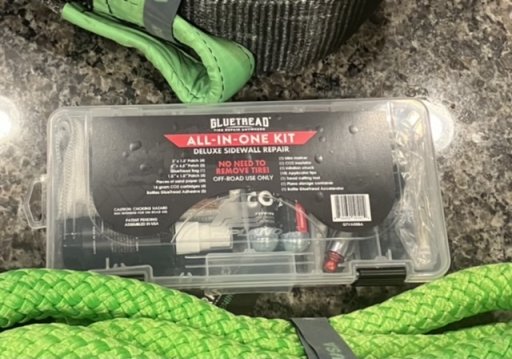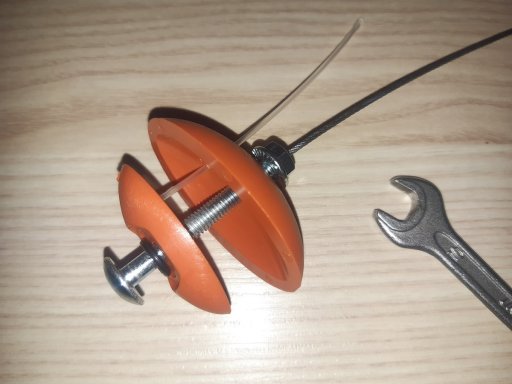
Favorite Tire Repair kits?

oneleglance

Rank V

Contributor II

1,453
Phoenix, AZ, USA
First Name
LANCE
Last Name
BLAIR
Ham/GMRS Callsign
KE7NKP
Recently during a novice Overlander class we got to put my Extreme Outback tire repair kit to good use.....

This led to my recommendations to the folks there and then after I got to wondering what others were actually using/liking.

So let's hear what everyone carries, if you have actually used it and any thoughts.
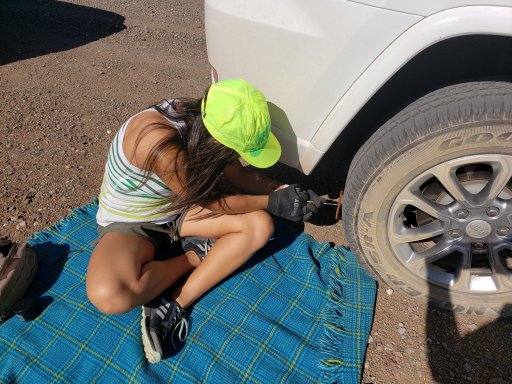
20190831_155149.jpg
 
  • Like
Reactions: Shakes355
I carry a piece-milled together kit from the hardware store. Metal reamer and plug insertion tools, black (small) and tan (big) plugs, rubber cement and a round patch kit with buffer.

My tires pick up a lot of nails when on the road. I have had good luck with basic plugs + rubber cement filling those holes until I can get home and do a real repair. Sometime those plugs become a bit more permanent than I'd like to admit, but I have never had one leak or come out.
 
  • Like
Reactions: Desert Runner
Push through tire plugs are a polarizing subject for tire people, with the overwhelming consensus of tire manufacturers that they are temporary "hardship" or "emergency" repairs where the tire is a highway use tire. I agree with that and am not interested in debating it.

However, that said, there is certainly a place for them in those hardship or emergency cases, particularly when off road or where proper repair sourcing is not possible. I get it.

The SINGLE most important function when using a push through plug is finding and following the path of the original injury. Failing to do so frequently produces a second injury which is open to pressure that allows air migration into the belt package, body ply(s) or presents as a leak around the plug (best of the scenarios)

Safety Seal has been making a rope type plug for decades, they are effective within the limitations of their application.

The tire guy in me is now going to ask/strongly suggest that you have any push through plug that you may from necessity or convenience need to install in a on highway use tire, correctly repaired and the tire inspected as soon as possible for your safety and the safety of others.

*DISCLAIMER:
I understand that your anecdotal experience with push through plugs, Draino, Bars Leak, witch doctors and Democrats may be positive. I don't care, they are all short term treatments that will ultimately fail you given a wider experience rate.
 
A Google search well show you all the newer hi-tech tire plugs on the market. Good idea to carry a set of Colby valve stems. Keep the plugs sealed in a air tight bag, they dry out rather quickly.
 
  • Like
Reactions: RainGoat
A Google search well show you all the newer hi-tech tire plugs on the market. Good idea to carry a set of Colby valve stems. Keep the plugs sealed in a air tight bag, they dry out rather quickly.

I just learned about the Colby valve stems, ordered them and will report back once I have a chance to play around with them.
 
I carry an ARB kit in my truck and a Boulder Tools kit in my Jeep. Both work well. I added a nice pair of Klein pliers to the kits. It can be difficult to get the @#$% nail or screw out of the tire.
 
I am cheap so I had been rolling around with the $7 HF tire repair kit. On its first use, I bent the plug insertion tool immediately. I had to use the spare to get to a local 4WheelParts to buy the ARB kit, which successfully repaired the tire. I also bought a whole new set of wheels and tires so I could run a full-sized matching spare.

Highly recommend the ARB kit. To be fair, not only is it of significantly higher quality, but does also come with a few extra items, like pliers to remove the offending shard. Realistically, I would say there can't be more than a $5-10 "ARB Premium" compared to if you could find the exact same kit under a more generic offroad name. But, worth it since having a good repair kit could easily mean the difference between ruining a whole afternoon with your kid (which it did for me), or being on your way in 5 or 10 minutes.
 
Thankyou for putting this forum post together, I found it very useful as I am putting together my Roadside & Offroad recovery kit together, ahead of my next on and off adventure, currently researching the subject and I will add anything new I find to this existing post. Thanks again Amanda
 
Sidewall cuts have been my Achilles heal in the past, so after some research picked up one of these. Also carry the auto store plug kit.
F9EFFC1D-1309-4EF9-97C1-8B9F261B7D47.jpeg
 
  • Like
Reactions: Amanda C
Running a hodgepodged together kit as well. Started with a kit from Slime from years ago that had a case and replaced/added some better quality pieces along the way (vulcanizing fluid, reamer, razor blades, etc.)

The process and care of the repair seems to be the most important. The quality of the tooling tends to decide how much effort the repair takes.

I also agree with tex, never assume it's fine. If you don't have professional experience with tires, always have it inspected upon return. Rope plugs can save you from shredding a tire in the short term but, as stated, they don't necessarily save it long term.
 
I know that it is often difficult, especially for beginners, to absorb the cost of a good basic equipment. But the tire repair kit should be a of high quality. Because you should be able to rely on it. One thing are the tools, for example, the cheap handles are often made of plastic and not proper metal. You have to be able to apply really good force with it and then the plastic part often breaks off the first time you use it. And then? So better buy quality.

And another tip. Practice repairing a tire with it at home. In the terrain, in the mud, in the dark in the rain at the roadside, etc. it is much harder and it is good if you have done it before. There are certainly experienced OB members in your area who will be happy to show you.

And you can of course add other useful tools and materials to such a standard tire repair kit. Tire valves, emergency valves, patches, tire cement, a tube, tire levers and much more - depending on the purpose and type of trip.

I wish you breakdown-free travels,
Bjoern
 
Like many others we use the ARB kit in all our vehicles both overlanding and regular street, Like the way everything is pretty much included and of good quality. we do add colby stems to the mix and a can of tire sealant along with a better jack and a jack base for soft ground. I second @El-Dracho 's comment on practicing at home, I have seen people add lift kits, aftermarket wheels and tires to thier rigs and not give a second thought to will this affect my ability to change a tire in the field. Will your factory jack still reach and get the tire off the ground, do you your new lug nuts require a special tool, or a larger size socket to remove them etc. would suck to be in the middle of nowhere and not have your lug nut key!
 
Check out the “Sidewall Slug” It’s really made for atv’s and side by sides but it will save your rear end if you pinch the sidewall and tear it. That type of damage is usually fatal to the tire. I have 2 in my rig as well as the typical plugs/patches. You will have reduced speed but at least you can get out.
 
  • Like
Reactions: El-Dracho
Check out the “Sidewall Slug” It’s really made for atv’s and side by sides but it will save your rear end if you pinch the sidewall and tear it. That type of damage is usually fatal to the tire. I have 2 in my rig as well as the typical plugs/patches. You will have reduced speed but at least you can get out.

Yeah right, I stumbled across de Sidewall Slug recently too. As you say it comes from the ATV area and is only intended to continue to drive with the off-road vehicle in a difficult off-road situation without changing tires. So pure trailside repair. This part is supposed to be used for emergency repair of sidewall cuts up to about 3.8cm/ 1.5 inches long. I think this should also work as an absolute emergency repair on an overlanding rig and have packed a Sidewall Slug into my on-board tool kit.

This is how the cute little animal looks like:

SidewallSlug.jpg
 
  • Like
Reactions: WesCad
I've plugged a thousand tires in twenty years as a shop manager. The only thing I would recommend is this.
Use a little rubber cement on the plug. Makes it easier to insert and will enhance the security of the plug.
Never plug a sidewall or anywhere near the crown of the tire (edge of the flat to the sidewall)
Replace the tire as soon as possible unless it's a weekend hooptie. LOL
Zim
Disclaimer: I never plugged a tire at Firestone. Patches only. (breaking down a tire on the trail is beyond difficult) LOL
 
I've plugged a thousand tires in twenty years as a shop manager. The only thing I would recommend is this.
Use a little rubber cement on the plug. Makes it easier to insert and will enhance the security of the plug.
Never plug a sidewall or anywhere near the crown of the tire (edge of the flat to the sidewall)
Replace the tire as soon as possible unless it's a weekend hooptie. LOL
Zim
Disclaimer: I never plugged a tire at Firestone. Patches only. (breaking down a tire on the trail is beyond difficult) LOL
Hi Dave, I have purchased an ARB Tyre Repair Kit, so what I am hearing is the carry a small sidewall repair kit also that has patches and cement and I should have everthing I need for the tyre repair on the trail?
 
Thanks for highlighting this, can I ask are you happy with the kit you purchased ?
Haven’t and hope not to use it yet. I watched some YT vids on the kit. One guy slashed his tire, patched it, then went rock crawling. Patch held the whole trip with just one little corner starting to peel. First half of vid shows you how to use the kit.