Material for Skid-plates

XC70_OVERLANDER

Local Expert Northern Germany
Member

Pioneer III

14,357
Hamburg, Germany
First Name
Thore ‘Ove‘
Last Name
Fahrenbach
Member #

40915

Service Branch
Education (6th form)
I did some research about the skidplate's material. The question is steel or aluminum.
on reddit I found this:

Key Differences:
  • Weight: Aluminum is significantly lighter, keeping your vehicle’s center of gravity lower and reducing strain on suspension compared to steel, which can add over 100 lbs for a full set.
  • Durability/Strength: Steel is stronger and slides over rocks easier; it is better suited for intentional, heavy impact. Aluminum is durable but can gouge, dent, or shear more easily under severe, direct hits.
  • Corrosion Resistance: Aluminum is far superior, requiring little to no maintenance. Steel is susceptible to rust, especially with damage to its powder coating.
  • Cost: Aluminum skid plates are typically more expensive than steel due to material and manufacturing costs.
  • Installation: Aluminum is much easier to manage during DIY installation due to lighter weight.

Which to Choose?
  • Choose Aluminum: If you do mostly overlanding, long-distance touring, or care about fuel economy and suspension performance.
  • Choose Steel: If you engage in heavy-duty rock crawling, or tend to bash your vehicle's undercarriage on rocks often.
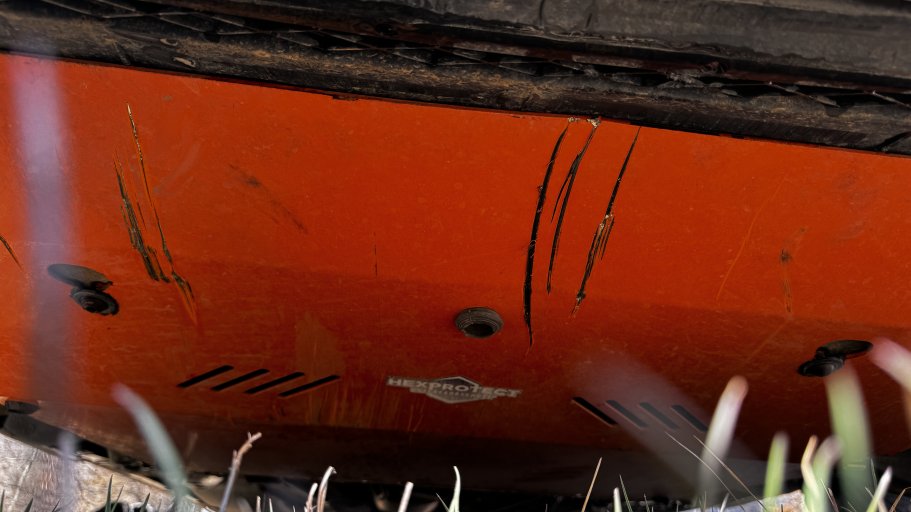
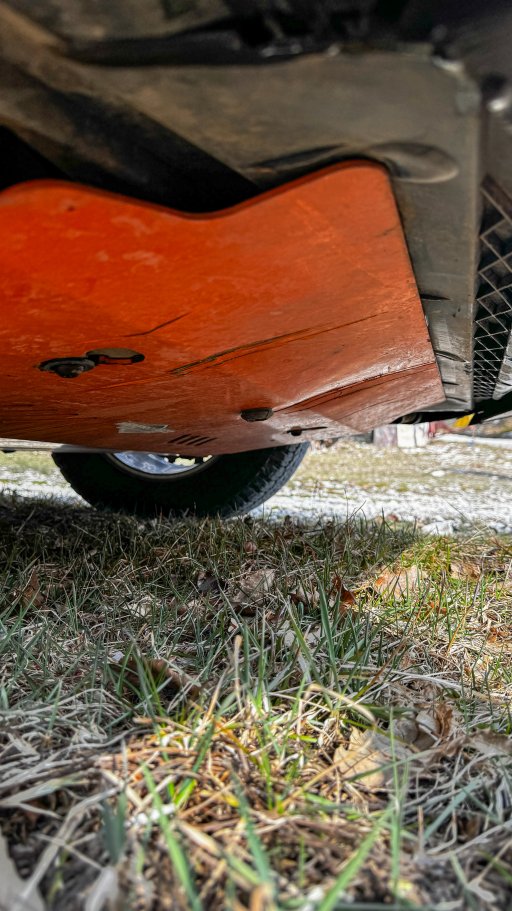
On a 12 days multi day adventure to the West Balkan I had an impact on my skid plate. And while crossing a river I have quite a bad impact to my steel skid plate.
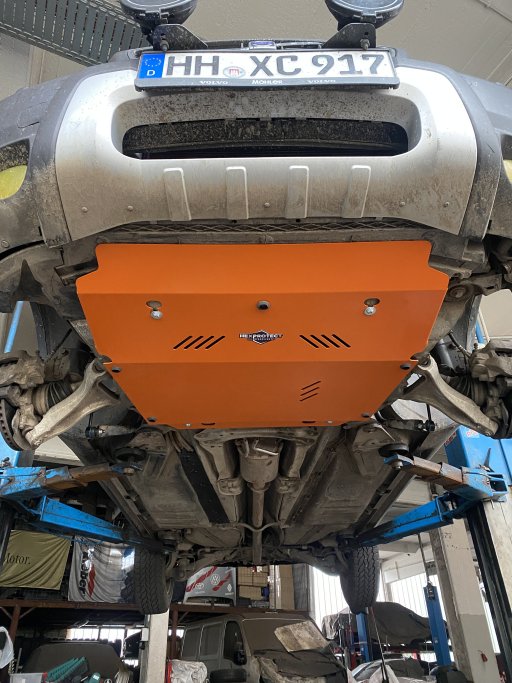
I know that I need to change the overall design because the current one is way too short. You can see it ends behind the cooler which isn't good and caused the dent to bend the cooler.

But while considering a new design I was wondering about the material.

Any recommendations or expertise to share?

Cheers and best wishes from Hamburg

Ove
 

Attachments

  • IMG_7661.jpg
    IMG_7661.jpg
    5.5 MB · Views: 12
  • IMG_7659.JPG
    IMG_7659.JPG
    2.5 MB · Views: 13
  • IMG_2988.JPG
    IMG_2988.JPG
    2 MB · Views: 12
I mean...if you are experiencing hard impacts I think the choice for the stronger metal is clear

The idea that aluminum is easier to DIY install than steel due to less weight is preposterous as any adult can handle a steel skid plate
 
  • Like
Reactions: XC70_OVERLANDER
I think the Readit post is wrong. Lighter material under the vehicle will not lower your center of gravity, heavier will. As for choice so much depends on where and how you drive. If you bent steel already, I'd just pound it out and put it back on. Need it longer? Weld on a new section.
 
I think the Readit post is wrong. Lighter material under the vehicle will not lower your center of gravity, heavier will. As for choice so much depends on where and how you drive. If you bent steel already, I'd just pound it out and put it back on. Need it longer? Weld on a new section.
I was gonna comment on that but got busy today. And 100lbs? Not gonna make much difference whether it's 60 or 100 underneath, though a couple hundred on the roof might
 
The plates that you are showing on your Volvo are on the thin side 3mm or 1/8 of an inch it appears. I use full underbody aluminum plates that are 1/4 inch thick (over 6mm) and I have routinely scraped across boulders with them and while there are some scrapes there is no tearing or breakage. Steel armor for Jeeps will be more robust than aluminum but are still also typically thicker than your skid plate and are around 3/16 of an inch or around 5 mm. For my application the aluminum full body plates I used were significantly lighter than the steel counterparts by around 200 lbs or so. If you're not using a substantial full underbelly plate and just protecting the front approach I don't think the weight matters either way but I do think you should see if you could source or fabricate plates that are thicker and more durable than your existing armor.

IMG_5212.jpeg
 
I think the Readit post is wrong. Lighter material under the vehicle will not lower your center of gravity, heavier will. As for choice so much depends on where and how you drive. If you bent steel already, I'd just pound it out and put it back on. Need it longer? Weld on a new section.

You are right regarding the centre of gravity. What the heck. how could I have just paste it.

I am using my XC70 as a daily driver and for light offroad and overlanding trips.

But the cost factor is important too. Aluminum would be way more expensive.
 
So the point is steel slips over rock while aluminum can possibly grip and hook.
Engineering says, strength comes from construction not material thickness. Your skidplate is more or less 3 flat surfaces that can individually be deformed easily.

The skidplates from the Chevy Colorado bison are a nice example for strength through shape and geometry, try looking at it.

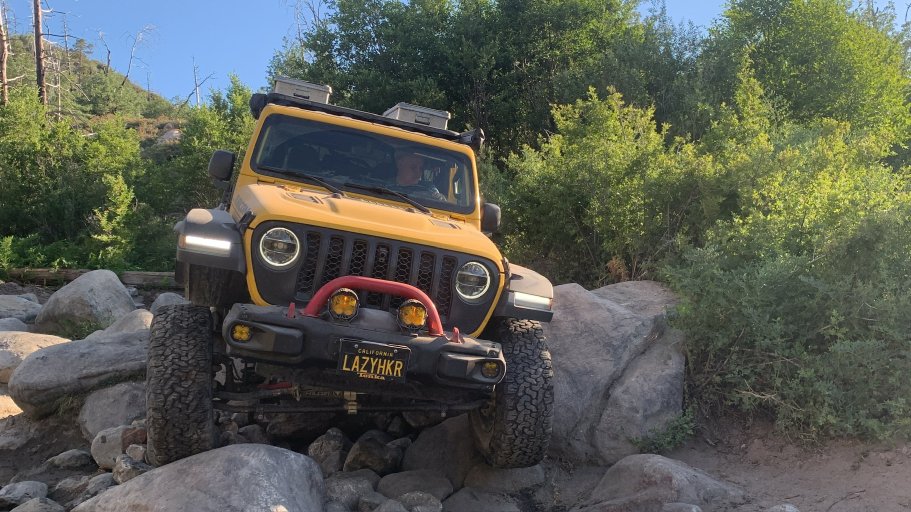
However, 6mm aluminum seems to do a pretty good job on a Wrangler JKU even if it's just flat material.
 
I've run both on my old hard core rigs. Full body weight on a steel skid does slip a bit easier but had a skid made from 6061 aluminum and I didn't notice much dragging. From what I understand 5052 is a bit softer, easier to work with and will probably drag more than 6061.
My TJ skid was 1/4 steel and almost a full belly pan. The main one ran from the oil pan to about 12 inch's behind the transfercase. It weighed about 150 pounds. That thing was a pain to deal with but i could bash it without worry. My 6061 aluminum on my CJ was considerably lighter but I wore sections of it from dragging on rocks. That was the main reason I went back to steel on my next rig (TJ).
I had no issue with full vehicle weight on either

If your doing that kind of driving, steel all the way. Today, both of my rigs sport aluminum protection. way easier to deal with and I don't drive that hard any more.
 
  • Like
Reactions: ThundahBeagle
3/16 inch steel is the sweet spot for most overland builds imo. aluminum is lighter but it dents and doesn't slide over rocks as well as steel does. on my JK i'm running steel belly skid, transfer case skid, and gas tank skid. total added weight is maybe 60 lbs which isn't nothing but it's saved my oil pan twice on rocky trails in Wayne National Forest here in Ohio. if weight is a real concern look at 3/16 aluminum but get it powder coated and accept that it'll take some battle damage. UHMW plastic is another option for lighter rigs but i wouldn't trust it for serious rock crawling.
 
  • Like
Reactions: ThundahBeagle
Many of our adventure bikes use plastic skids now.

Plate steel or aluminum might be overkill for most of us. Steel sheet metal is tough enough, and easy to form. Stiffens it up with plastic slider plate in some key areas.