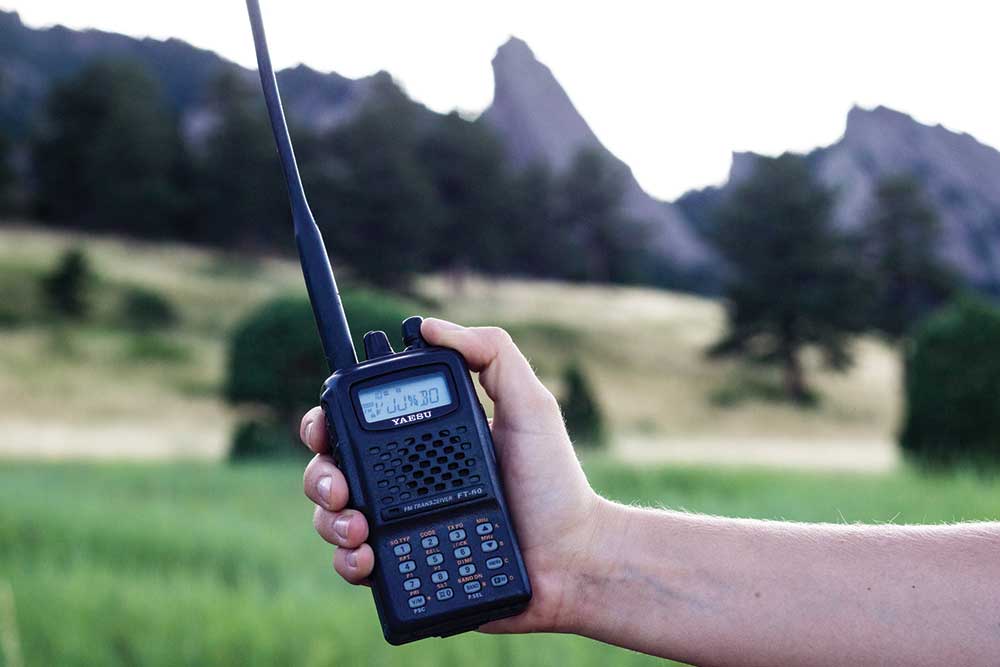
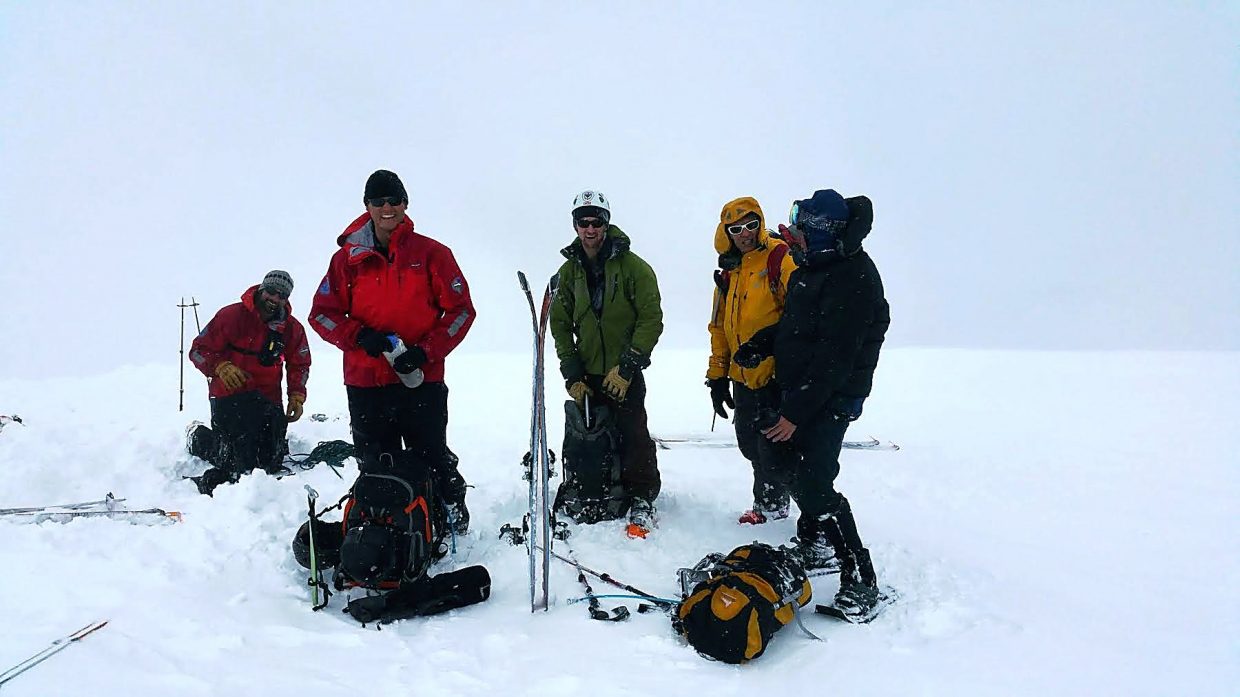
I have spent many years as a volunteer in SAR and the fire service and been involved in aiding lost and injured folks. My best recommendation is to above all be prepared, its not often you find well prepared people in need of help in the first place, but accidents and emergencies do happen to even the best prepared. I am of the camp that except for Mayday and SOS to get someones attention, just utilizing clear basic speach is the best option as it does not require either party to know special terms or procedures, once you have someones attention, just explain what you need. I do recommend giving your location out as soon as possible in the conversation in case radios fail, or propegation of signal degrades, then they at least know where to look for you. If possible allways repeat back instructions, numbers or critical info so the other party can be sure you heard it correctly. For both HAM and GMRS, repeaterbook.com and its phone app version provides a wealth of searchable information for both services. Searching through the database for repeaters located in a radius around where you intend to travel before you leave and then either programming them into your radios in advance, or at the very least writing down the information such as frequency, offset, tones etc. so you have it in the field when you don’t have service can be one of the best ways of reaching out if you are in a valley somewhere and can hit a tower on a ridge somewhere. Trying different frequencies, or different radio types can help as some may reach farther or have more folks listening in. As mentioned earlier, keep your radio on so those coming to help can contact you, if you have limited battery power, let the person on the other end know that, and that you will turn your radio on once an hour on the hour for five minutes as a check in. Once you have called for help, stay put unless you are directed to move or safety requires it (can’t tell you how many times we had extended rescues due to the subject trying to help by coming to us, and we end up playing cat and mouse). Radios are a great tool, but in mountainous terrain and remote locations they are of limited use without repeaters unless some is close. The Garmin In Reach and other satellite devices or PLB (Personal Locator Beacon) provide a reliable long distance emergency communication that automatically transmit your location as soon as they are activated. The PLB is more of the calvary is coming device for life-or-death type situations, but the Garmin and similar devices let you send a text to someone to bring you a spare part or push the button and text with a dispatch center if needs are more critical. Carrying a signal mirror, whistle, and bright flashlights are other ways of gaining attention if you are in an emergency situation, mirror flashes can be seen for many miles.