Yes, you heard me right. Trailers built with foam.
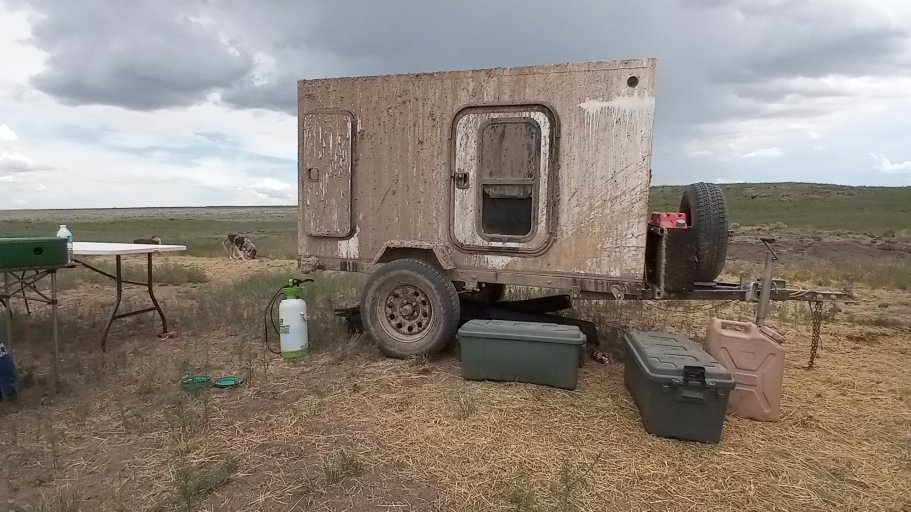
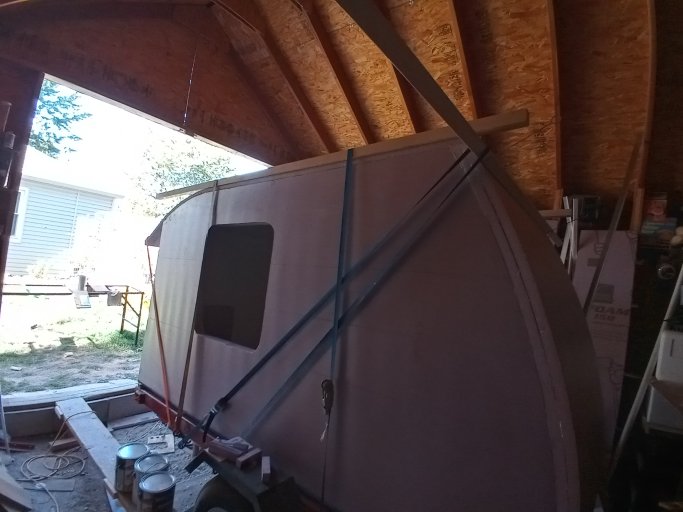
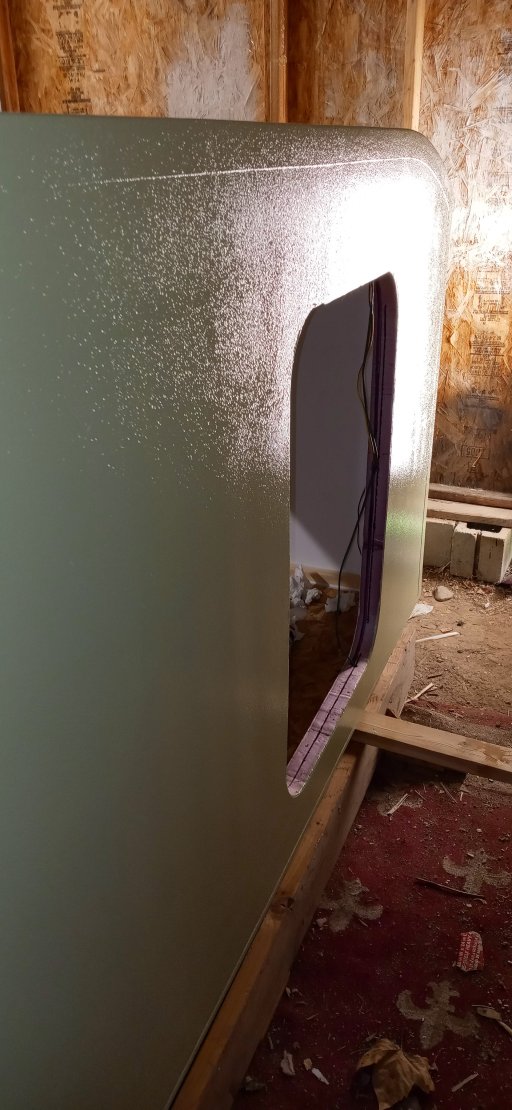
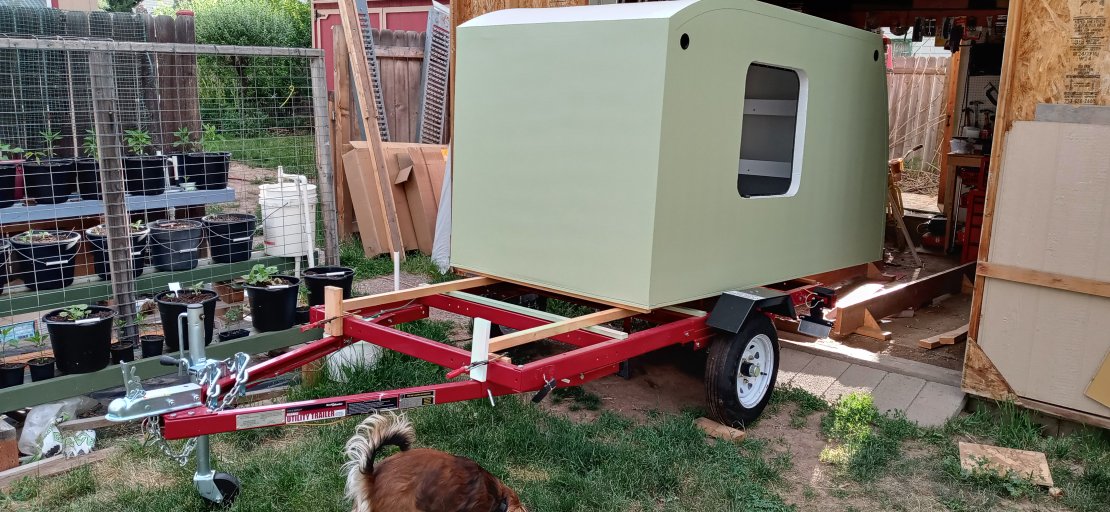
I am one of the pioneers of foamie construction which started in the early 2010 with just a handful of us. Below is my first build that I started in 2013 It came in at 510lbs.
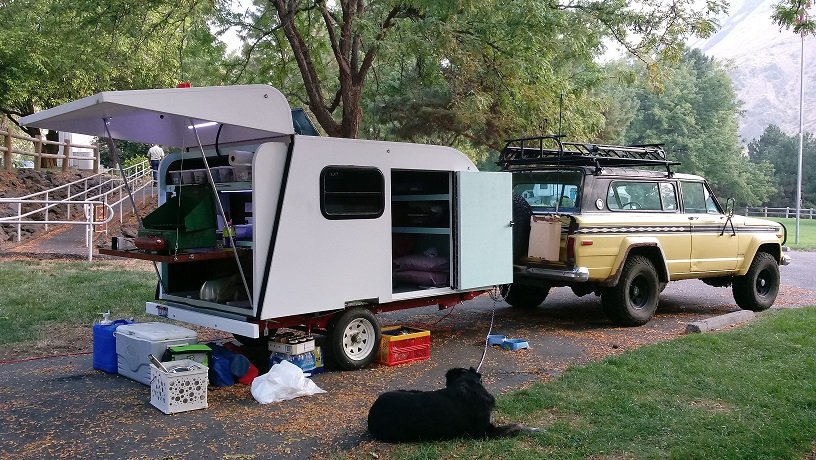
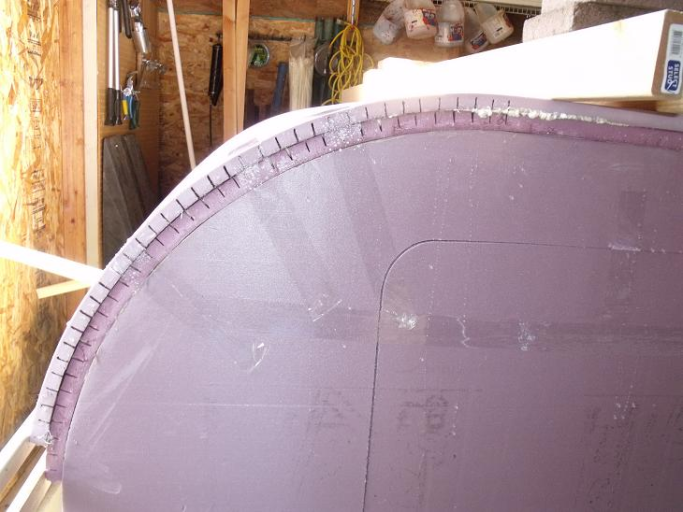
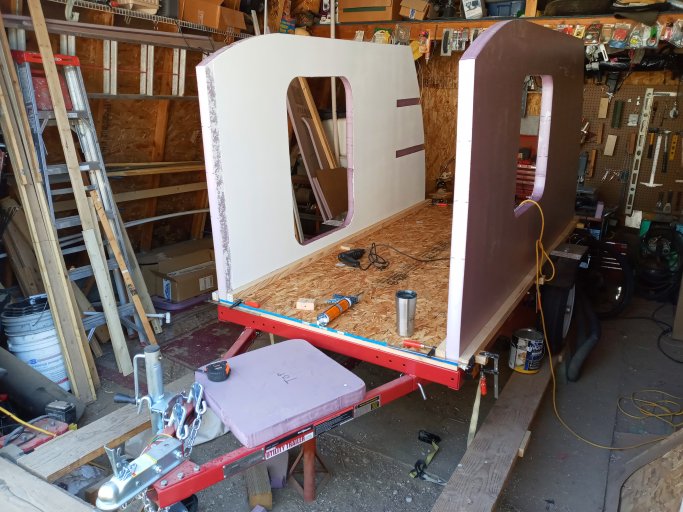
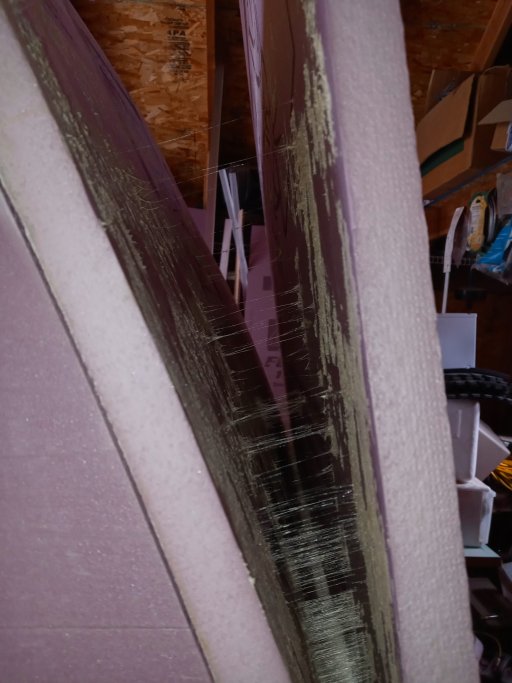
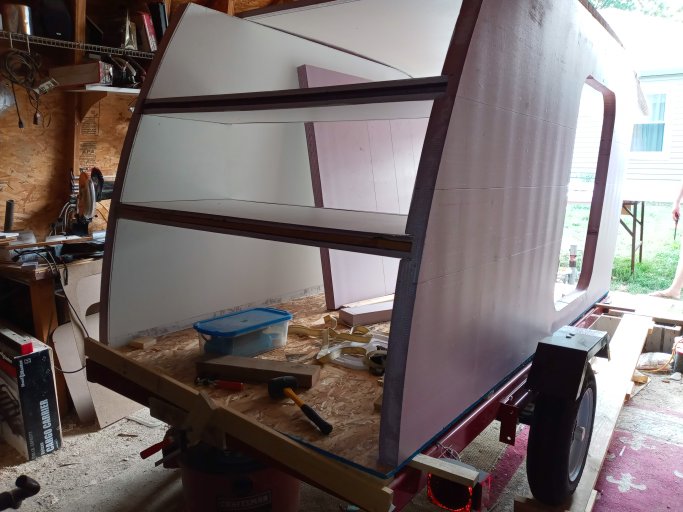
Both of these trailers are built out of 2" XPS foam and have very little wood above the floor.
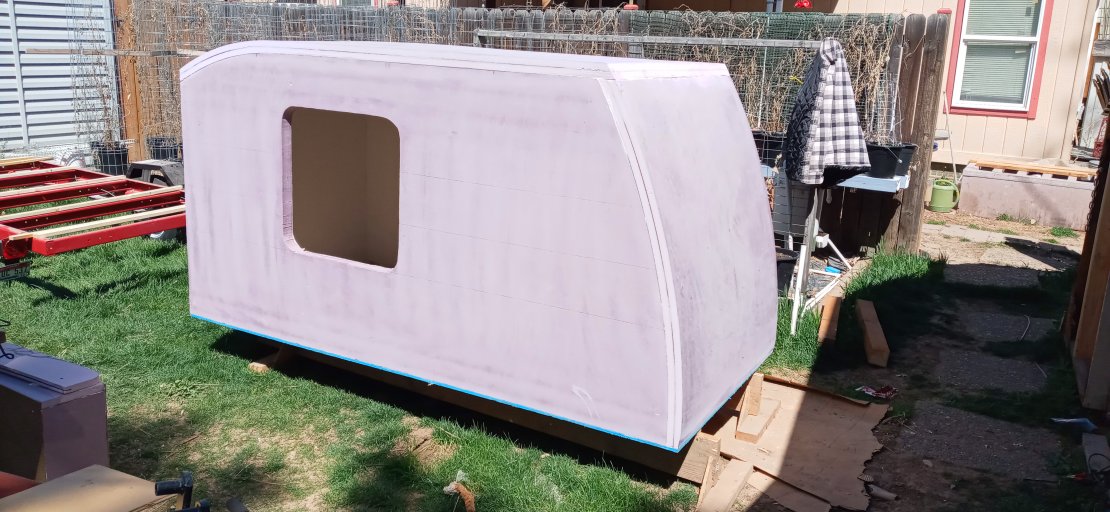
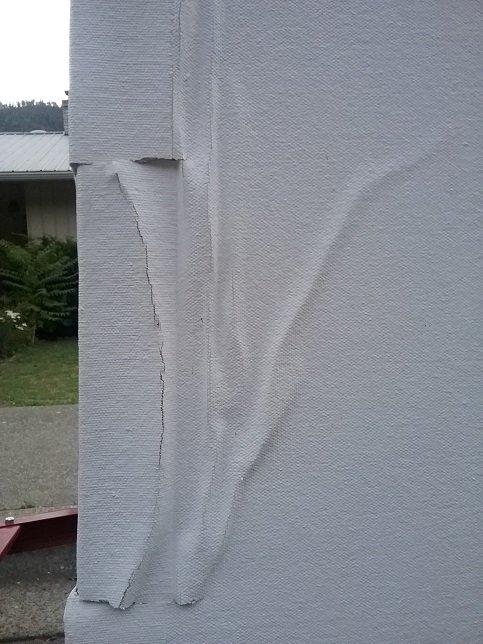
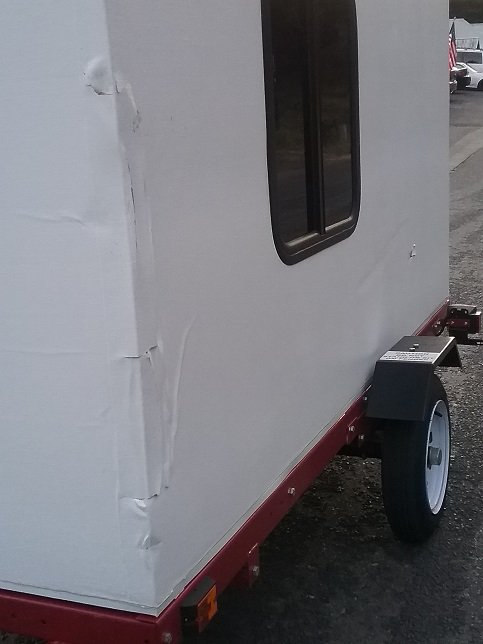
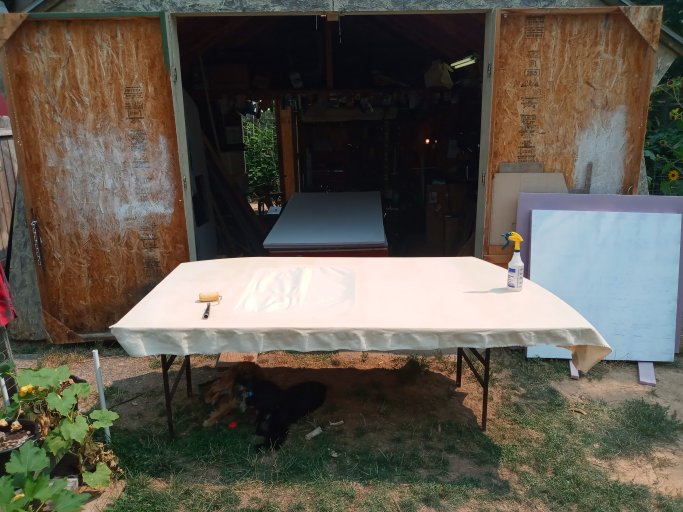
The foam is wrapped with canvas and is coated with what is poorly called Poor Mans Fiberglass (PMF).
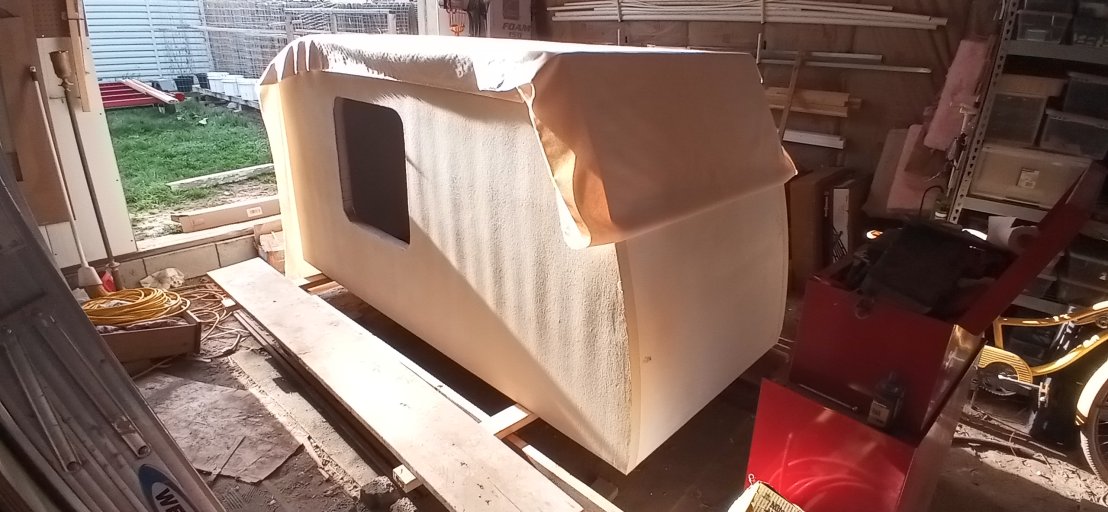
PMF is basically canvas coated with Tight Bond II wood glue and then painted with latex paint. Makes for a super strong sock to keep the foam protected and together.
When we started to make these trailers, we were told they would blow apart on the highway. I aimed to prove them wrong. I was just getting back into overlanding so I though what better way to prove a foamies durability than towing it behind my overlanding rig. Well, that was 8 years ago and it is still going strong. Nearly all the multi day trips on my channel document what roads my foamie was pulled through. Believe me we don't just do forest roads. People who follow me have stated that they don't think a standard build off road trailer could go the places I go and hold up as well. You be the judge https://www.youtube.com/@swidahooverlanding2867.
This is a picture of the foamie shortly after it's first trip out. The original 12" tires were dogs off road and this was the first off road upgrade that the Harbor Freight #1195 trailer got, 13" wheels and tires.
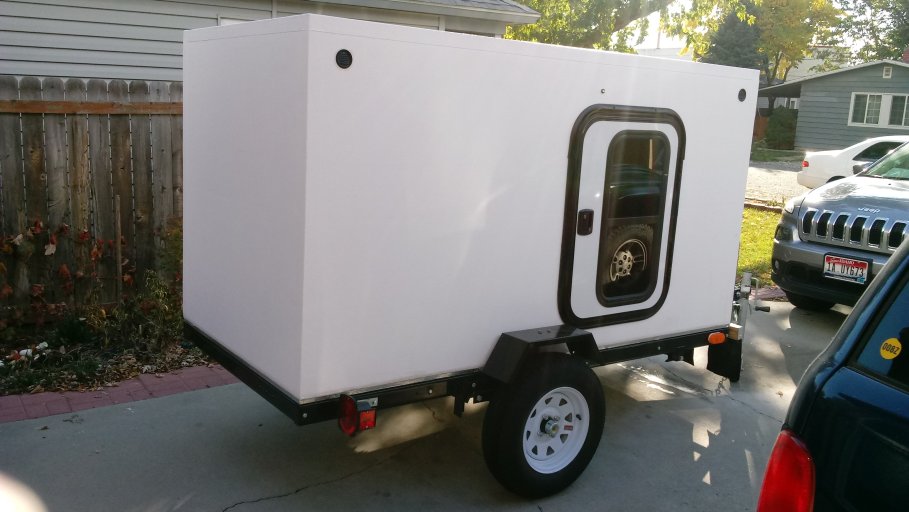
It's original weight was 372lbs, but I have since moved up to a 15" trailer wheel and tire. I added a 2" tube spine front to rear, #3500 axle with soft ride shackled leaf springs, rear door for extra storage access and tongue rack for spare tire and extra fuel storage. Dry weight now is about 480lbs, loaded for a trip with fuel and 8 gallons of water is about 950lbs..
Here is a short video showing one of our most recent trips out. Both trailers are home built, but the other one is a traditional build.
Hope this gets some ideas flowing for you guys out there.
I am one of the pioneers of foamie construction which started in the early 2010 with just a handful of us. Below is my first build that I started in 2013 It came in at 510lbs.
Both of these trailers are built out of 2" XPS foam and have very little wood above the floor.
The foam is wrapped with canvas and is coated with what is poorly called Poor Mans Fiberglass (PMF).
PMF is basically canvas coated with Tight Bond II wood glue and then painted with latex paint. Makes for a super strong sock to keep the foam protected and together.
When we started to make these trailers, we were told they would blow apart on the highway. I aimed to prove them wrong. I was just getting back into overlanding so I though what better way to prove a foamies durability than towing it behind my overlanding rig. Well, that was 8 years ago and it is still going strong. Nearly all the multi day trips on my channel document what roads my foamie was pulled through. Believe me we don't just do forest roads. People who follow me have stated that they don't think a standard build off road trailer could go the places I go and hold up as well. You be the judge https://www.youtube.com/@swidahooverlanding2867.
This is a picture of the foamie shortly after it's first trip out. The original 12" tires were dogs off road and this was the first off road upgrade that the Harbor Freight #1195 trailer got, 13" wheels and tires.
It's original weight was 372lbs, but I have since moved up to a 15" trailer wheel and tire. I added a 2" tube spine front to rear, #3500 axle with soft ride shackled leaf springs, rear door for extra storage access and tongue rack for spare tire and extra fuel storage. Dry weight now is about 480lbs, loaded for a trip with fuel and 8 gallons of water is about 950lbs..
Here is a short video showing one of our most recent trips out. Both trailers are home built, but the other one is a traditional build.
Hope this gets some ideas flowing for you guys out there.